






07766836261




Causes of Thumb Sucking
Why do children suck their thumbs?
Thumb sucking in children and babies is a completely natural behaviour. In fact, many babies begin sucking their thumb before they are even born. Sucking is a built-in reflex that helps babies feed, self-soothe and feel secure.
For most children, thumb sucking is comforting, calming and completely normal during infancy and toddlerhood. Children usually stop sucking between the ages of two and four years, some a little older. However, some children continue sucking their thumb for longer because it has become strongly linked to comfort, sleep or emotional regulation.
Common causes of thumb sucking at a glance:
- Comfort
- Reflex
- Stress
- Tiredness
- Boredom or habit
- Sensory comfort
Comfort and self-soothing
The most common reason children suck their thumb is simple: it helps them feel calm and safe.
Children often suck their thumb when they are:
- tired
- upset
- anxious
- overwhelmed
- bored
- trying to fall asleep
- hungry
- teething
- have a dummy withdrawal
Thumb sucking can become part of a child’s routine during naps, bedtime, car journeys or quiet time.
Natural sucking reflex in babies
Babies are born with a strong sucking reflex which is essential for feeding. Some babies continue non-feeding sucking behaviours because it feels soothing and familiar.
This is known as “non-nutritive sucking” and includes:
- thumb sucking
- finger sucking
- dummy use
- sucking blankets or soft toys
Stress or emotional changes
Children may suck their thumb more during periods of stress, change or uncertainty.
Common triggers include:
- starting nursery or school
- a new sibling
- moving house
- illness or hospital visits
- changes in routine
- separation anxiety
The BOS confirms that the primary reason the habit persists beyond infancy is to provide comfort and security to the child.
Thumb and finger sucking habit?
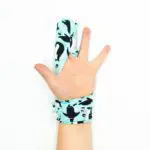
Help your child take positive steps towards stopping thumb and finger sucking with a comfortable, fabric thumb or finger guard Buy NowTiredness and sleep associations
Many children strongly associate thumb sucking with sleep.
Parents often notice thumb sucking happens:
- before naps
- at bedtime
- during night waking
- while watching television quietly
Over time, the habit can become part of the child’s sleep routine and may continue automatically without them even realising they are doing it.
Night-time sucker
For best results we recommend your thumb sucker wears their Thumbsie® thumb gloves day and night. Buy NowBoredom or habit
As children grow older, thumb sucking may continue simply because it has become a deeply ingrained habit.
Some children suck their thumb:
- while concentrating
- watching screens
- sitting in the car
- relaxing
- feeling shy or uncertain
At this stage, the behaviour is often unconscious rather than emotional.
Sensory comfort
For some children, thumb sucking provides sensory regulation and comfort.
Children may enjoy:
- the repetitive motion
- the pressure sensation
- the feeling of fabric or blankets alongside thumb sucking
- many children find the repetitive motion calming
Parents frequently describe children pairing thumb sucking with soft blankets, tags or comfort toys.
Is thumb sucking caused by bad parenting?
Absolutely not! UK orthodontists confirm that digit sucking is one of the most common habits in childhood. They advise parents to avoid nagging, teasing, punishing, or shaming their child, as positive encouragement is far more effective.
Thumb sucking is a normal childhood behaviour and not a sign that a parent has done anything wrong. Many confident, happy and well-supported children suck their thumbs.
Medical experts generally advise parents not to punish or shame children for thumb sucking, as this can increase anxiety and sometimes make the habit worse.
If you want to know more about the problems with thumb sucking and how to stop thumb sucking visit our dedicated pages.
When to seek advice?
Thumb sucking is usually nothing to worry about in toddlers. It’s worth talking to your dentist, health visitor or GP if your child is still sucking as their adult teeth come through, if their thumb is sore or damaged, if you notice changes to their teeth or speech, or if the habit seems linked to worry or distress.
Does your child suck their fingers instead? See our Finger Sucking page.
share this page





Problems with thumb and finger Sucking
You may be concerned if it is harmful, at what age should they stop or what could be the long-term effects if they don’t stop.Does thumb sucking run in the family?
We ask the question: what role does behavioural genetics play in thumb sucking?



how thumbsie helps families
Multi-award-winning Thumbsie® was created by Jo Bates, founder of Thumbsie Ltd, when her third daughter, Isabel, needed help to stop thumb sucking.
Connect with us