





07766836261




The Problems with Thumb Sucking
We’re guessing that, like many other parents, you are concerned about your child’s thumb sucking habit. The act is very natural for a child and many children start when they are in the womb. You may be concerned if it is harmful, at what age should they stop or what could be the long-term effects if they don’t stop.
At least you can rest assured that sucking is one of an infant’s natural reflexes. Infants, toddlers and young children may suck on thumbs, fingers, pacifiers or other objects. It makes them feel secure and happy, some children also do it when they are bored.

Luke age 4 showing the difference when he stopped thumb sucking
However, research has shown that there can be a number of problems associated with thumb sucking and finger sucking in children. If the act of digit sucking is prolonged and aggressive, this may cause issues with the growth of the mouth and the alignment of child’s teeth. It also can cause changes in the roof of the mouth (palate) which can cause speech problems. We have also heard from many parents about cracked skin on the thumbs.
Recognition in the Dental Industry
Thumbsie® has been recognised for its contribution to children’s oral health and helping families break unwanted oral habits. In 2019, Thumbsie® was awarded Innovation of the Year at the Dental Industry Awards, recognising its work in pushing the boundaries of the dental profession. In May 2020, Thumbsie® was accredited by the Oral Health Foundation as an aid to prevent thumb sucking. More recently, in 2026, for the second year running, Thumbsie® was named Best Children’s Oral Habit-Breaking Product at the GHP Global Excellence Awards
What do dentists say?
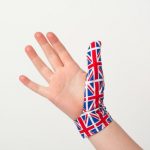
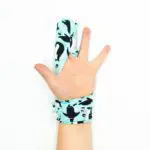
We asked three dentists to give their views on thumb sucking problems and the effects on the teeth. They have also said why they recommend Thumbsies®.
According to Dr Lina Kotecha of Glen Dental, Leicester, the intensity of the sucking can play an important role in determining whether dental problems develop later in life. Children who simply rest their thumbs gently in their mouths are likely to experience fewer problems than those who suck their thumbs vigorously. More forceful thumb sucking can potentially affect both baby (primary) teeth and permanent adult teeth.
Donna at iQ Orthodontics explains: “Digit sucking has a huge emotional attachment in young children and so it can be a very difficult habit to break. Thumbsie® is a great way to help to stop the habit, children can choose their own design and really make the Thumbsies® their own. We have had great success with patients using the Thumbsie® and regularly recommend it. It often means we don’t need to use orthodontic appliances to stop a thumb or finger sucking habit.”
Dr. Andrew McGregor, Park Orthodontics, Glasgow loves Thumbsie® because: “Anything that makes the process fun can be a massive help because getting a child to stop thumb sucking can be very difficult. Thumbsie® has helped several of my patients to successfully kick the habit. I now recommend it to every frustrated parent!”
Will they naturally stop sucking?
Many children stop sucking thumbs and finger during infancy between the ages of two and four. For older children who continue to be thumb suckers, peer pressure at school can often end the habit. However, according to the British Orthodontic Society, (2019) one in every eight children (aged 7-11) have a prolonged thumb or finger sucking habit.
Girls are more likely to be prolonged digit suckers than boys. Even some adults still suck their thumbs. Remember, though, even a child who’s successfully stopped sucking his or her thumb, by whatever means, might revert to the behavior when he or she is stressed or anxious, so it’s worth keeping an eye on this.
Although some parents are keen for their child to break the thumb sucking habit before it becomes too much of a habit, it isn’t usually a concern, experts say, until a child’s permanent teeth start to come through but most toddlers are not interested in giving up a constant source of comfort.
If you are reading this page then you, like so many others, are probably worried about the long-term effects of continuous and vigorous digit sucking.
Possible Side Effects of thumb sucking
Problems may arise if the act is prolonged. According to research the possible effects of thumb sucking for children after the adult teeth start to grow:
- Crossbite – some of the upper teeth sit inside or behind the lower teeth when the mouth is closed, rather than slightly overlapping them
- Anterior open bite – leaves a gap where some upper and lower teeth would usually meet
- Due to irregularity of the teeth, speech problems such as lisping, imprecise pronunciation and thrusting out the tongue when talking can occur
- Change the shape and narrowing of the roof of the mouth (palate)
- Problems chewing
- Chapped skin or wounds on the thumb: Constantly sucking on a thumb may cause irritated and dry skin
- Other associated problems such as hair pulling or twirling causing loss of hair.
According to the British Orthodontic Society, if the habit stops by the age of 7 then the teeth can often correct themselves with normal growth. If the habit continues beyond the age of 7, then the position of the adult teeth can be permanently affected and self-correction is less likely to occur.
If you notice changes in your child’s baby teeth or are concerned about your child’s thumb sucking you should consult your dentist or orthodontist.
Many parents have reported a significant change, for the better, in their children’s teeth once they have stopped thumb or finger sucking.

You can read more about the problems with thumb sucking by clicking on these links.
The British Orthodontic Society have a pdf leaflet that you can download on dummy and thumb sucking habits.
Read more from the American Dental Association
Read more from mayoclinic.org
Read more from mouthhealth.org
Read more from todays parents
share this page





You're in safe hands
Trusted by dental professionals and approved through the Oral Health Foundation's accreditation scheme —so you can feel confident you’re in safe hands. Buy nowSuccess Stories
"We tried everything: bribery, gloves,, bitter nail varnish and then after finding Thumbsie ..... voila" Read Kate's storyhow thumbsie helps families
Multi-award-winning Thumbsie® was created by Jo Bates, founder of Thumbsie Ltd, when her third daughter, Isabel, needed help to stop thumb sucking.
Connect with us